Giraffe Numbers 0-9: A Designer's Review for Real Projects
As someone who’s turned countless digital designs into physical stitches, my first rule is to look beyond the screen. A cute graphic might promise fun, but an embroidery design has to promise performance. So, when I sat down to evaluate the Giraffe Numbers for Kids 0–9 set, my mindset wasn’t about its digital appeal. It was about how it would behave under a needle, on fabric, and in the hands of a customer.
The Immediate Mood: Friendly Simplicity
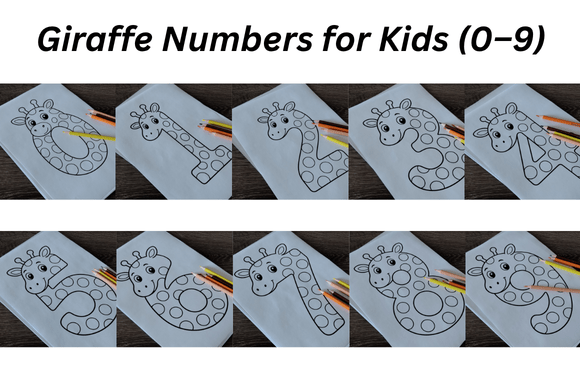
The first impression here is cheerful and approachable. The giraffe-shaped numbers have a gentle, cartoon-like personality without being overly busy. This is a design that whispers “playful learning” rather than shouting it. The shapes are simple, the lines are clear, and the overall detail level feels intentionally moderate. That’s a huge plus for embroidery. It tells me this isn’t a design that will fight with you during digitization or require heroic stabilizer efforts. The mood it creates is one of friendly, educational charm, perfect for projects aimed at children or nostalgic adults.
The Natural Habitat: Where This Design Embroiders Best
Let’s talk real-life application. I immediately pictured this on a child’s sweatshirt or a nursery pillow cover. The theme is ideal for baby embroidery and personalized gifts like a birthday tote bag with the child’s age prominently featured. Imagine a custom backpack patch with a “7” for a first grader—it’s both personal and adorable.
For small business owners and Etsy sellers, this set is a versatile design asset. It could anchor a whole line of craft business items: numbered baby blankets, learning-themed kitchen towels for a playful home, or a series of caps for a sports team with a giraffe mascot. The individual numbers allow for endless personalized product combinations, a boon for driving repeat Etsy listings or craft fair products. The aesthetic is cohesive enough for boutique branding on small shop merchandise like aprons or tea towels.
A Practical Scenario: Embroidering a Birthday Sweatshirt
Here’s a concrete case. A client orders a sweatshirt for their three-year-old. You select the giraffe-shaped “3” from this set. On a light-colored cotton blend, with well-chosen thread colors (a warm brown for the giraffe, a contrasting color for the number outline), this design will stitch out with clear, crisp edges. The simplicity means the satin stitch borders and fill stitch areas will be distinct, avoiding muddy blends. The final product feels handmade but professional, increasing customer trust and the item’s giftability. The reaction you’re aiming for is a delighted parent and a child who points at the “animal number,” making the embroidery a conversational piece, not just decoration.
Grounds for Caution: Where to Proceed Carefully
While the design’s simplicity is its strength, it also dictates its careful applications. On very small hoop sizes, the finer details—like the giraffe’s spots or the inner curves of a number like “8”—might lose definition if the stitch density is too high. I’d be cautious on highly textured fabrics like thick terry cloth or on stretchy fabric without proper stabilizer, as the shapes could distort.
Embroidering on dark fabric requires a thoughtful thread palette to maintain that friendly contrast. Also, consider the end-use. A design on a child’s garment needs to withstand frequent washing. The relatively open areas of these shapes should hold up well, but testing on scrap fabric is crucial to ensure the stitch structure doesn’t loosen over time. For items like curved caps, the larger numbers (like a wide “0” or “8”) might need slight resizing or positioning adjustment to fit the surface gracefully.
Impact on Your Work and Business
Using a design like this effectively boosts your project’s visual appeal through thematic coherence. For commercial embroidery projects, it adds a layer of thoughtful design that generic numbers lack. It elevates a simple embroidered patch or tote bag design into something that feels special and designed, not just applied. This strengthens your handmade presentation and brand consistency if you specialize in whimsical or children’s products.
From a seller’s perspective, these numbers are highly recognizable and engage buyers looking for something beyond the standard. They can increase buyer engagement in your shop by offering easy personalization options. The finished product looks professional because the design concept is strong and clear, which in turn supports your reputation as a creative entrepreneur.
Essential Designer Notes Before You Hoop the Fabric
My practical advice before running this machine embroidery design is always the same: test, inspect, and confirm.
- Test on scrap fabric first, ideally the same type you’ll use for the final project. Check for stitch density issues and how the thread colors interact with your background.
- Review the small details in a stitched sample. Are the giraffe’s features distinct? Does the number remain readable?
- Always check thread color contrast. What looks good on a white printable mockup may need adjustment on khaki or navy.
- Confirm hoop size requirements. While the description doesn’t specify, you need to know if your machine and project scale can accommodate the design’s dimensions.
- Run it through both light and dark fabric background tests in your software to preview clarity.
- Use the proper stabilizer for your chosen fabric texture. This is non-negotiable for preserving the design’s clean shapes.
- Most critically, confirm licensing before selling finished items. Is this digital embroidery file cleared for commercial use? You must verify this to protect your small shop product business.
Remember, a good embroidery project starts with a design that’s not only beautiful on screen but also robust and thoughtful on cloth. The Giraffe Numbers for Kids 0–9 set, with its friendly simplicity and clear application focus, shows a lot of promise for turning a digital file into a delightful, stitch-worthy finished product. Your job as the maker is to apply that practical lens, ensuring every hoop, stitch, and thread choice honors the design’s potential.