Senior 2026 Final Shot: A Designer's Honest Review
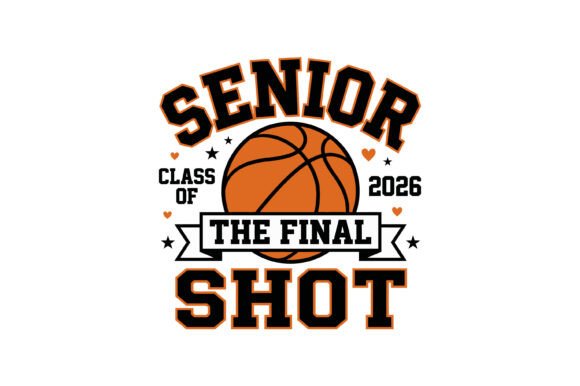
When a graduation-themed design lands in my review folder, I ask one question before anything else: Would I actually stitch this on a product someone would pay for? With Senior 2026 Final Shot, the answer came faster than I expected. This is not a generic cap-and-diploma graphic. It carries a specific sports energy, a varsity attitude that feels aimed at the senior basketball player who wants their graduation moment to carry the same weight as their final game.
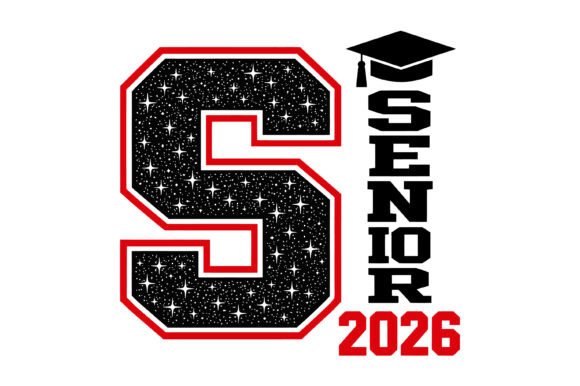
The first thing that caught my attention was the mood. The design reads like a jersey tribute, a yearbook signature, and a senior night banner all at once. The layout has a centered, badge-like confidence that naturally suits chest placement on a sweatshirt, the front of a tote bag, or the back of a commemorative hoodie. No awkward negative space, no overly delicate details that would vanish under thread tension. Just a solid visual anchor built for real fabric and real wear.
The Visual Personality: Why This Design Feels Different
Many graduation designs lean soft, sentimental, overly scripted. Senior 2026 Final Shot takes a different route. The sports theme gives it weight. The varsity feel makes it wearable beyond the ceremony itself. I can picture a senior athlete wearing this on a hoodie at an alumni game years later, and it would still hold its own. That matters when you are selling to customers who want more than a one-day keepsake.
The typography choices, from what I can see in the layered files, suggest a jersey-inspired structure. Bold numerals, strong anchor text, and a composition that does not collapse when scaled down to fit a cap or a patch. The balance between the athletic energy and the graduation milestone is handled with restraint. Nothing screams, nothing competes. The design knows its purpose and stays in its lane.
Stitching Reality: How This Design Holds Up Under Thread
Let me take you through a real scenario. I am preparing a set of custom embroidered sweatshirts for a local high school basketball team. The seniors want something that celebrates both their season and their graduation. I pull up Senior 2026 Final Shot on my screen, load the SVG into my digitizing software, and start mapping out the stitch path.
The first practical check is always the detail level. Thin connecting lines, tiny serifs, and ultra-fine text are the usual culprits that turn a clean digital design into a thread-clogged mess. This design avoids that trap. The lettering has enough heft to hold a satin stitch without puckering. The graphic elements are distinct enough to separate into clean color blocks, which means I can manage thread changes without losing my mind or my production timeline.
For a sweatshirt application, I would use a medium-weight cutaway stabilizer and run a test stitch on a cotton-poly blend. The bold central elements handle the fabric texture well. Even on a slightly napped surface, the design reads clearly from a reasonable distance. That is the kind of practical win you want when you are stitching ten units for a team order and every one of them needs to look consistent.
Small Business Perspective: Where This Design Earns Its Keep
If you sell on Etsy, at craft fairs, or through a boutique shop, you know the difference between a design that photographs well and a design that actually helps you build repeat customers. Senior 2026 Final Shot sits in the sweet spot for seasonal graduation sales, but its sports crossover gives it a longer shelf life. A customer buying a personalized tote bag for their senior athlete in March might come back for a matching cap in May. The design bridges that gap.
I have learned to evaluate designs based on how they perform across product types, not just on a flat screen. This one transitions well. On a structured tote bag, the bold layout holds its shape. On a cap, the centered composition works with the front panel curve if you keep the design size moderate. On a patch, the outer border-like structure gives a clean edge for merrow or satin finishing. For pillow covers and blankets, the scale feels generous without becoming overwhelming.
Fabric, Texture, and the Worry List
Every design has its caution zones. With Senior 2026 Final Shot, the main watch points are the same ones I flag for any typography-heavy sports design. Thin fabric like lightweight jersey or performance tees will need extra stabilization. Without it, the dense stitch areas around the bold lettering could pull and ripple. I recommend a fusible mesh stabilizer for anything with stretch, and always test on a scrap before committing to the final garment.
Dark fabrics present another consideration. The design needs strong contrast to pop, especially if the original file colors lean toward darker tones. I run a quick black-and-white mockup check before choosing thread colors. If the design relies on subtle tonal shifts, those can disappear on a navy hoodie or a charcoal sweatshirt. In those cases, I adjust thread selections to increase contrast while keeping the varsity feel intact.
Curved surfaces like caps and hats deserve extra attention. The centered layout helps, but I keep the design within a manageable hoop size to avoid distortion on the side panels. A 4-by-4 or 5-by-7 hoop works well for most cap placements. Anything larger starts to fight the curvature and the seam structure.
File Formats and Workflow Flexibility
The design package includes SVG, PDF, JPEG, PNG Transparent, and EPS Editable file formats. This is a practical spread for an embroidery workflow. The SVG and EPS files are the real workhorses here. I can pull them directly into my digitizing software, adjust the layers, and map out stitch types without rebuilding anything from scratch. The PNG Transparent file is useful for mockups and client previews, and the JPEG gives a quick reference for customers who want to see the design on a product listing.
The PDF inclusion is a nice touch for print references, but I lean on the vector files for actual embroidery prep. The key is that the design is editable, which means I can isolate elements, adjust sizing, and tailor the stitch order to the specific fabric and product. That flexibility matters when you are juggling multiple client requests and need to turn around samples quickly.
Stitch Type Recommendations From Experience
Based on the structure of the design, I would lean heavily on satin stitch for the main lettering and any border elements. Fill stitch works well for the larger graphic blocks, especially if you want a smooth, slightly glossy finish that holds up through washing. Running stitch is best reserved for any fine detail accents, but I would keep those minimal to avoid a fragile result on frequently used items like tote bags and sweatshirts.
Thread color count is another factor I evaluate early. A design with too many colors slows down production and increases the chances of thread breaks. Senior 2026 Final Shot appears to work within a manageable palette, which keeps the stitching efficient without sacrificing the visual impact. I would aim for three to five thread colors to maintain the varsity aesthetic while keeping the production flow smooth.
Customer Perception and Product Value
When I think about the end customer, the emotional response is everything. A parent buying a personalized embroidered sweatshirt for their senior basketball player wants to see their child's milestone recognized with dignity. A crafty design that tries too hard to be cute can miss the mark. This design lands on the right side of that line. It feels celebratory, proud, and specific to the athlete's identity.
For a handmade product seller, that emotional connection translates directly into perceived value. A well-stitched hoodie with Senior 2026 Final Shot centered on the chest looks like a premium keepsake, not a cheap iron-on. The design carries the weight of the senior year moment, and customers are willing to pay for that when the execution matches the sentiment.
Practical Designer Notes Before You Stitch
Here is my honest checklist for anyone planning to use Senior 2026 Final Shot in a real embroidery project:
- Test on scrap fabric first. This is non-negotiable. Every machine, thread brand, and fabric combination behaves differently. A ten-minute test stitch saves hours of frustration.
- Check thread color contrast. Pull the design into a grayscale preview. If any element blends into the background, your thread choice needs adjustment before you even hoop the fabric.
- Review stitch density. Dense lettering can feel stiff on lightweight fabrics. Adjust underlay stitches as needed to keep the finished product soft and wearable.
- Confirm hoop size. Measure the design dimensions against your available hoops. Do not assume it fits. Stretching a design to fit a hoop or shrinking it too aggressively can distort the lettering and spacing.
- Inspect small details. Zoom in on the digital file at actual size. If any line width drops below one millimeter, it may not stitch cleanly. Plan your stitch type accordingly.
- Test on light and dark fabric backgrounds. A design that looks brilliant on white canvas may lose its punch on black or navy. Run both tests before committing to a bulk order.
- Use proper stabilizer. Cutaway for knits, tear-away for wovens, and always match the stabilizer weight to the fabric weight and stitch density.
- Check licensing before selling. Confirm whether the design is cleared for commercial use on finished products. If you are selling digital files, verify the resale terms explicitly. The included formats like SVG, EPS, and PNG Transparent are valuable as design assets, but your license dictates how you can use them in a craft business.
Where This Design Shines Brightest
After working through the technical and creative considerations, I see Senior 2026 Final Shot as a strong choice for several specific product categories. Custom apparel leads the list. A sweatshirt or hoodie with this design embroidered on the chest or across the back makes a statement that feels personal and professional. Tote bags are another natural fit. The centered composition works beautifully on a flat panel, and the sports theme gives the bag a sense of purpose beyond groceries.
Embroidered patches deserve a special mention. The badge-like layout is practically begging for a patch treatment. Stitch it out on felt or twill backing, add a merrow edge, and you have a product that sells itself at senior night events, graduation parties, and team celebrations. Caps and hats work well with a scaled-down version placed front and center. For baby items and nursery decor, the design might feel oversized unless scaled appropriately, but a smaller version on a baby blanket or a commemorative pillow cover could be a meaningful gift for a senior's younger sibling or a family keepsake.
Final Thoughts From the Stitching Room
I have reviewed hundreds of embroidery designs over the years, and the ones I return to share a common trait. They respect the relationship between the digital file and the finished stitch. Senior 2026 Final Shot understands that relationship. The design is built with enough structure to hold up under thread, enough personality to connect with the senior athlete customer, and enough flexibility to work across multiple product types without losing its identity.
If you are an Etsy seller preparing for graduation season, a small shop owner looking for a reliable sports-themed design, or a crafter who wants to offer something more memorable than a generic grad graphic, this one deserves a spot in your test rotation. Stitch it out on a warm sweatshirt, pair it with a thoughtful thread palette, and watch how customers react when they see their senior year treated with the same respect as their final shot on the court.