A Designer's Practical Review of the Spring Flower Pattern
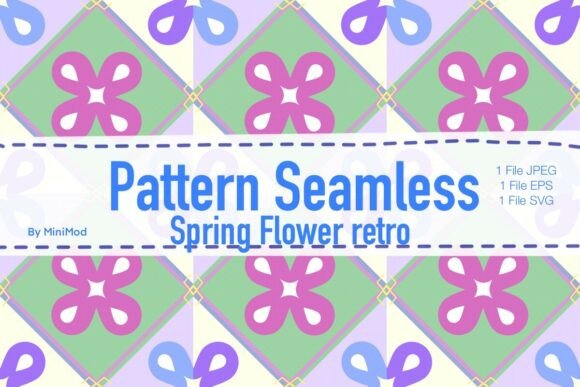
When a new embroidery design lands in my digital library, my first thought is always about its real-life potential. I’m not just looking at pixels; I’m imagining stitches, fabric, and the final product in a customer’s hands. This is my evaluation of the Spring Flower Pattern Seamless Vector, from the perspective of someone who will actually use it on a machine, not just admire it on a screen.
The First Impression: Where Does This Pattern Feel Right?
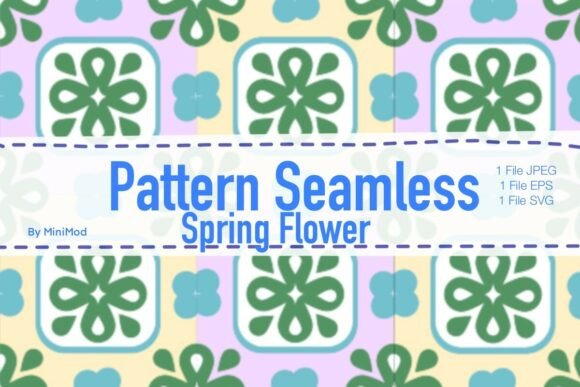
The immediate mood here is gentle and cheerful, without being overwhelming. The seamless nature means it’s built for repetition, which gives it a classic, timeless quality rather than a single, focal-point feel. The floral shapes are soft and forgiving—they don’t have overly intricate corners or tiny details that could become a stitching nightmare. This tells me it’s a pattern meant for backgrounds and texture, not for demanding center-stage attention. My mind immediately goes to projects where a subtle, cohesive aesthetic is key: the lining of a tote bag, the border of a pillow cover, or the all-over print on a baby’s blanket.
A Real Scenario: Crafting a Boutique Kitchen Towel Set
Let’s say I’m preparing a set of embroidered kitchen towels as a spring gift for a small shop. I want them to feel handmade and special, but not overly busy. The Spring Flower Pattern Seamless Vector would be my choice for a running border along the bottom. Because it’s seamless, I can adjust the length perfectly without awkward breaks. The vector files (SVG and EPS) mean I can resize without quality loss, ensuring the flowers remain clear whether I’m working on a wide towel or a smaller napkin. The mood it creates is one of warmth and care—perfect for a product meant to feel personal and giftable.
Performance Across Real Embroidery Projects
This pattern’s strength lies in its adaptability. The inclusion of high-quality JPEG, SVG, and EPS files provides flexibility for both the embroidery process and the business side. For machine embroidery design, the vector formats are invaluable for precise scaling. Here’s where I see it performing well:
- Custom Apparel & Soft Goods: As a subtle, all-over pattern on the fabric of a sweatshirt before cutting and sewing, or as a repeated motif along the hem of a tea towel. The floral theme is universally appealing.
- Small Business Merchandise: For an Etsy seller creating a line of spring-themed items—aprons, tote bags, pillow covers—this pattern can provide brand consistency. Using the same seamless background across different products creates a cohesive collection.
- Personalized Gifts & Decor: Imagine a nursery blanket with this pattern embroidered in a soft thread around the edges. It’s decorative without being distracting. It also works beautifully for embroidered patches if scaled appropriately, applied to caps or backpacks.
- Digital Product Previews: For those selling the finished embroidery files or finished products online, the high-resolution JPEG is excellent for creating printable mockups to showcase the design on different items in your listings.
Caution Areas: Where to Tread Carefully
No design is perfect for every situation. With this seamless floral pattern, its success hinges on application. Here are the scenarios where I’d proceed with extra care:
- Very Small Hoop Sizes: If you try to shrink this pattern down to fit a tiny area on a cap or a baby item, the flower details might lose their definition. The stitch density needed to capture small shapes could become too dense for lightweight fabrics.
- Textured or Stretchy Fabrics: On highly textured linen or stretchy jersey, the seamless, flowing lines might not register as clearly. A good stabilizer choice is critical here.
- Dark Fabric Backgrounds: The pattern’s light, spring feeling might require thoughtful thread color contrast. You may need to opt for brighter or more saturated threads to maintain the design’s cheerful visibility on dark backgrounds.
- Products Requiring Frequent Washing: If used on an item like an apron or kitchen towel that will be washed often, consider simplifying the color palette or using robust thread to ensure the design’s longevity and maintain that handmade presentation over time.
How This Pattern Affects Your Product’s Appeal
Using a well-executed, seamless pattern like this does more than just decorate a product. It elevates the perceived value. For a customer, it suggests thoughtfulness and professionalism. It turns a plain sweatshirt into a boutique product. For your craft business, it adds a layer of design sophistication that can build customer trust. The seamless, repeatable nature makes it look intentional and polished, which is key for engaging buyers who appreciate detail. As a gift, it feels cohesive and complete, not like a random decoration.
Practical Notes for the Embroidery Designer
Before you load this embroidery file and start stitching for a client or your shop, here’s my checklist, born from experience:
- Test on Scrap Fabric First. Always. Use the same fabric and stabilizer you plan for the final project. Check how the fill stitch areas look and if any small elements blur.
- Check Thread Color Contrast. Create a simple black-and-white mockup of the design to see the value contrast. This helps plan thread choices for both light and dark fabrics.
- Review the Design at Your Intended Size. Scale the pattern in your software to the exact dimensions of your hoop or product area. Inspect the corners and connections where the seamless repeat happens to ensure smooth transitions.
- Confirm Licensing for Your Use. The product description doesn’t specify license terms. Before selling finished items or using this in commercial embroidery projects, you must verify the license allows for that use. This is a crucial step for any digital embroidery file.
- Consider Fabric Texture. How will the smooth floral shapes interact with a napped fabric like fleece or a rough weave like canvas? Your test will tell you.
The Spring Flower Pattern Seamless Vector is, in my judgment, a versatile and mood-setting design asset. Its true value isn’t in the files themselves, but in how thoughtfully you apply them. It’s not a design that shouts; it whispers a spring feeling across your project. When used in the right context—as a background, a border, a subtle texture—it can add significant visual appeal and professionalism to your handmade products and commercial work. Approach it with a practical eye, test it thoroughly, and it will likely become a reliable part of your spring and gift-focused collections.