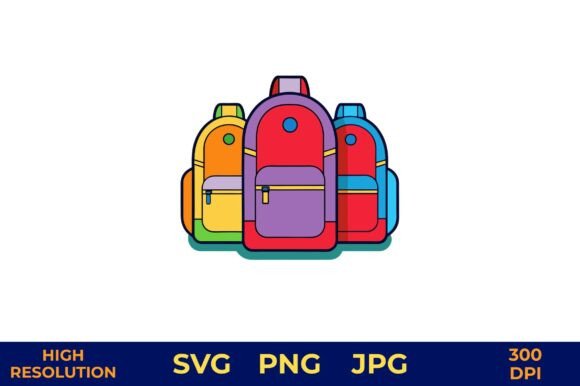
A Designer's Practical Review: The Backpacks Vector Design
First Impression: A Playful, Modern Mood
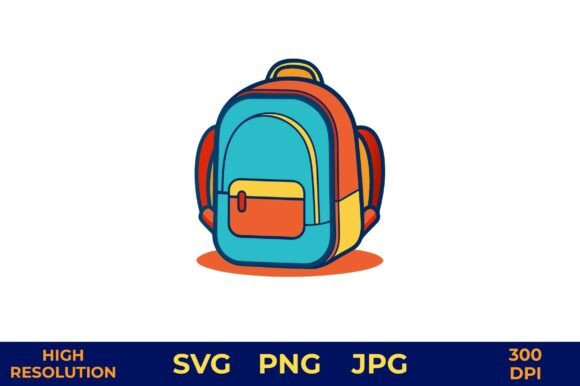
Opening this Backpacks Vector Design in Assorted file, my immediate thought is its vibrant, cheerful personality. It's not just a graphic; it's a mood. The colorful, solid-color backpacks arranged as a vector illustration create a clean, contemporary feel that speaks to school, travel, adventure, and a bit of nostalgia. The simplicity of the shapes is its greatest strength for embroidery. The outlines are clear, the colors are distinct blocks, and the level of detail is thoughtfully minimal. This isn't an overly complex illustration begging to be simplified for stitching—it’s already there. It feels ready to become a charming, stitched motif on something tangible.
The Natural Home for This Design: Where It Embroiders Best
In my hands, planning a client’s custom baby gift set, this design clicked. Imagine a set of organic cotton baby bibs and a small blanket, each embroidered with one of these little backpacks in a soft past thread color. The theme is perfect: growth, journey, preparation for adventures big and small. That’s the kind of project where this design shines—personalized gifts, nursery decor, and items for young families.
Beyond baby items, I visualize it on a linen tote bag for a teacher’s gift, a single backpack stitched neatly on the pocket. On a heavyweight sweatshirt, the design’s solid color blocks would translate beautifully into a dense fill stitch, creating a bold, graphic patch on the sleeve. For a craft business selling at a summer fair, a series of tea towels each featuring a different colored backpack from the assortment would be a cohesive, attractive product line. The design’s strength is its versatility within a clear theme: school, travel, gifts, and personalized apparel.
Considering Texture and Scale: A Realistic Look at Stitching
While the vector art is clean, we must think about how it translates into thread and fabric. The solid color areas are ideal for machine embroidery fill stitches, but stitch density matters. On thinner fabrics like standard t-shirts or lightweight caps, a very dense fill to replicate those “vibrant solid colors” could lead to stiffness or puckering. My advice is always to test on a scrap of your intended fabric first, adjusting the stitch density if your software allows, or perhaps opting for a lighter fill pattern to maintain fabric drape.
The design’s simplicity means it can work on smaller hoop sizes, which is excellent for items like kids’ hats or small patches. However, pay close attention to any very small interior details—like tiny zipper pulls or tag shapes. On a curved surface like a cap, these minute elements might lose clarity. For dark fabric backgrounds, the design’s aesthetic relies on color contrast. You’ll need to choose thread colors that pop against the dark base, perhaps even using a bright backing stabilizer to ensure the colors appear true and vibrant.
How This Design Adds Value to Your Finished Product
From a business perspective, this Backpacks Vector Design elevates a handmade product. Its modern, vector style feels professional and current, which builds customer trust. A well-embroidered backpack on a tote or apron doesn’t look amateurish; it looks like a deliberate, stylish choice. This consistency can strengthen a brand for an Etsy seller focusing on school-themed goods or travel accessories.
For giftability, the design is a winner. It’s universally recognizable, non-seasonal, and carries a positive, adventurous connotation. A personalized backpack embroidered on a going-away present or a graduation gift adds a layer of thoughtful, custom craftsmanship that buyers appreciate. It engages the buyer because it’s not a generic floral motif—it has a story.
Practical Designer Notes Before You Hoop Your Fabric
- Test First: Always stitch a sample on a scrap of your final project fabric. Check for pull on stretchy materials and clarity on textured fabrics like towels.
- Color Check: Review the vector colors against your thread palette. You may not need to match exactly; sometimes a softer or more metallic thread can add a beautiful handmade texture.
- Background Check: Run a simple black-and-white mockup of the design to see how the outlines hold up if you ever need to stitch it in a single color or on a very patterned background.
- Stabilizer is Key: For a clean result on any fabric, especially for those solid color blocks, using the correct stabilizer is non-negotiable. It preserves the design's sharp edges.
- License for Use: Since the product description mentions it’s for download and print, clarify the licensing terms if you intend to sell the physical embroidered items or use the design in commercial projects for clients. Ensure your use is covered.
A Final Thought on Visual Appeal and Clarity
Ultimately, the Backpacks Vector Design in Assorted succeeds because it understands its medium. As a graphic, it’s appealing; as an embroidery design, it’s practical. The vector format (SVG, PNG, JPG) means it’s scalable, and the transparent background is, of course, essential for digital preparation. When stitched, it should maintain its playful, clean character, turning a simple garment or household item into a special, story-bearing piece. For designers and makers, it’s a reliable, mood-setting asset that fits into real project workflows—from a single holiday gift to a small shop’s entire merchandise collection. Approach it with thoughtful setup and testing, and it will stitch out as charmingly as it appears on screen.